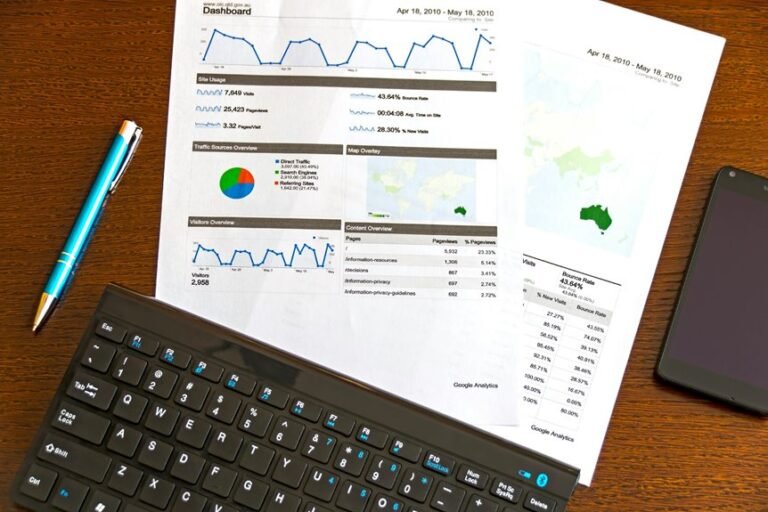
Next-Gen Business Analytics Overview: 651641233, 613558801, 946667306, 8006688850, 22543250, 983216858

Next-gen business analytics represents a significant evolution in how organizations leverage data. By integrating advanced predictive modeling and data visualization techniques, businesses can not only anticipate market trends but also make informed decisions that drive performance. The focus on key performance indicators provides a framework for measuring success and aligning strategies. As companies navigate the complexities of the modern marketplace, the role of analytics becomes increasingly crucial in shaping their future trajectory. What challenges and opportunities lie ahead?
Understanding Next-Gen Business Analytics
As organizations increasingly rely on data-driven decision-making, understanding next-generation business analytics becomes essential for maintaining a competitive edge.
Predictive modeling enables businesses to forecast trends and consumer behavior, optimizing strategies accordingly.
Meanwhile, data visualization transforms complex datasets into intuitive graphics, facilitating insights and informed choices.
Together, these tools empower organizations to adapt swiftly and effectively in an ever-evolving marketplace.
Key Metrics and Identifiers
While organizations navigate the complexities of next-gen business analytics, identifying key metrics and identifiers is crucial for effective performance measurement.
Key performance indicators (KPIs) serve as vital benchmarks, guiding strategic initiatives.
Furthermore, data visualization techniques enhance comprehension, enabling stakeholders to interpret complex data landscapes swiftly.
Ultimately, a focus on these metrics empowers organizations to make informed decisions and foster operational freedom.
Implications for Strategic Decision-Making
Strategically, organizations frequently rely on next-gen business analytics to inform their decision-making processes.
These analytics enable the development of data driven strategies, allowing firms to harness predictive insights that anticipate market trends and consumer behavior.
Harnessing Data for Growth and Efficiency
Harnessing data effectively propels organizations toward enhanced growth and operational efficiency.
By implementing data-driven strategies, businesses can identify opportunities for operational optimization, streamline processes, and allocate resources more effectively.
This analytical approach empowers organizations to make informed decisions, fostering an environment where innovation thrives.
Ultimately, the strategic use of data leads to sustainable growth and a competitive advantage in an ever-evolving marketplace.
Conclusion
In conclusion, next-gen business analytics represents a transformative approach that empowers organizations to harness data for strategic advantage. While some may argue that the complexity of analytics can be daunting, the integration of intuitive visualization techniques and clear KPIs simplifies this process. By embracing these advanced methodologies, businesses not only enhance decision-making but also position themselves to navigate market fluctuations effectively, ensuring long-term growth and innovation in an increasingly competitive landscape.